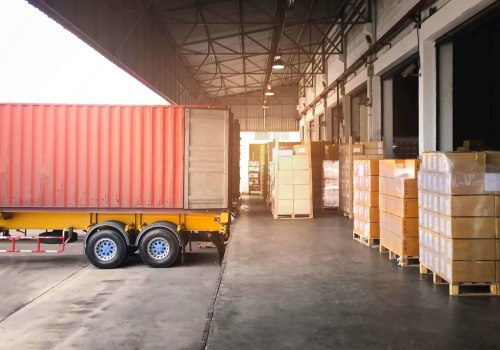
Planning a move is already a detailed process, but households with larger assets face additional layers of complexity. Beyond furniture, boxes, and appliances, many families own oversized belongings such as recreational vehicles, boats, trailers, riding lawn equipment, workshop machinery, or even small utility vehicles. These assets require more than standard moving services. They often demand specialized transportation equipment, customized loading procedures, and careful scheduling to ensure safe relocation. Early planning is essential to assess dimensions, weight, and access limitations at both the origin and destination properties. Narrow driveways, low-clearance bridges, and neighborhood regulations can all influence how and when larger assets are transported.
Professional moving companies that handle oversized items typically conduct pre-move evaluations to identify logistical challenges in advance. This may include route planning for wide-load permits, coordinating with local authorities, and arranging proper hauling equipment such as flatbed trailers or reinforced carriers. By addressing these variables early, households can avoid costly delays and reduce stress during the transition.
Coordinating Transportation and Timing
Timing plays a critical role when relocating larger assets. Unlike household goods that can often be unloaded immediately into a new home, larger items may not have designated space ready upon arrival. For example, a new property may still be under renovation, lack appropriate parking areas, or have homeowner association restrictions that limit on-site storage. In these cases, integrating temporary or long-term storage into the overall moving plan becomes essential.
Professional movers frequently collaborate with secure storage facilities to create a seamless transition between transportation and safe holding. This approach allows families to prioritize settling into their home while ensuring that oversized belongings remain protected. Facilities such as A-1 RV AND BOAT STORAGE provide secure environments designed to accommodate large recreational vehicles and marine equipment, offering peace of mind during transitional periods. By reserving storage space ahead of time, households can eliminate last-minute scrambling and focus on coordinating utilities, school enrollments, and other relocation tasks.
Risk Management and Asset Protection
Larger assets represent significant financial investments, making protection a top priority during any move. Specialized packing materials, heavy-duty tie-down systems, and weather-resistant coverings help shield equipment from road debris and environmental exposure. Insurance coverage should be reviewed carefully to ensure full protection throughout transport and storage.
Additionally, movers often recommend mechanical inspections prior to relocation. Ensuring that engines, tires, braking systems, and electrical components are in good condition minimizes the risk of breakdowns during transit. Proper preparation also extends the lifespan of the asset and reduces the likelihood of costly repairs once it reaches its destination. When storage is part of the plan, selecting facilities with surveillance systems, gated access, and structured layouts adds another layer of security.
Creating a Seamless Moving and Storage Strategy
The key to successfully relocating households with larger assets lies in integration. Moving and storage services should not be treated as separate arrangements but rather as coordinated components of one comprehensive strategy. Clear communication among movers, storage providers, and homeowners ensures that transportation schedules align with available storage capacity and final placement timelines.
Modern moving companies often leverage technology such as GPS tracking, digital inventories, and real-time scheduling tools to enhance transparency and efficiency. These systems allow families to monitor progress and stay informed throughout the process.
By combining professional logistics planning, secure storage solutions, and proactive preparation, households with larger assets can navigate relocation smoothly. Thoughtful coordination transforms what might otherwise be a complicated move into an organized, manageable transition that protects valuable investments and supports long-term peace of mind.